In recent years, kitchen design styles have become increasingly diverse. Some are captivated by modern minimalism, others prefer a rustic aesthetic, while still others gravitate toward a luxurious style. This trend has gradually fueled the popularity of "Mid-Century Modern" kitchen design—a style characterized primarily by clean, fluid lines and warm, soft color palettes. When these elements are combined with practical functionality and modern design principles, they imbue the kitchen with a unique aesthetic charm, creating a warm and cozy home atmosphere.
Whether you are working with a small kitchen or a large one, the following Mid-Century Modern design concepts—curated by designers at EClife—will help you create the kitchen space of your dreams.
What is a Mid-Century Modern style kitchen?
Mid-century modern kitchens are characterized by clean lines, flat-panel cabinetry, warm wood finishes—such as walnut or teak—geometric or organic decorative elements, and minimalist hardware. Unlike traditional kitchens, which prioritize ornamentation, modernist kitchen design emphasizes the harmonious union of form and function.
Key features include: the use of flat-panel cabinetry rather than raised-panel styles; the incorporation of natural materials, such as walnut, oak, or elm finishes; the pairing of vintage-style lighting fixtures (such as globe pendants or satellite chandeliers); and the use of mustard yellow, olive green, or deep blue as color accents.
How to Transform Your Kitchen into a Mid-Century Modern Style on a Budget?
- If you are planning to create a "Mid-Century Modern" style kitchen, lighting will play a pivotal role in establishing the right atmosphere. Skillfully pairing floor-to-ceiling windows with floor lamps or brass sconces can create a space that offers both practical functionality and visual impact—a perfect embodiment of the Mid-Century Modern aesthetic. If you are working with a tighter budget (under $500), consider adding a globe pendant light or a small Sputnik-style fixture.
- A walnut sideboard can enhance your kitchen's functionality while simultaneously infusing it with a vintage vibe. Rather than replacing your entire cabinetry, consider simply swapping out your existing door fronts for flat-panel walnut or teak veneers. You can expect costs to range from $70 to $120 per linear foot—significantly less than the $200 to $350 per linear foot required for a complete cabinet replacement.
- If you want to stay on-trend without breaking the bank, consider installing ceramic subway tiles in soft green hues or geometric patterns. Priced between $6 and $10 per square foot, this is one of the most cost-effective options for achieving a vintage-inspired renovation.
- If you have solid wood flooring, consider refinishing it with a satin or semi-matte sealant to highlight the natural wood grain. Refinishing costs average between $3 and $5 per square foot—a far more affordable option than installing entirely new flooring.
Below, I have compiled a selection of relevant design concepts gathered from the official EClife website for your reference and inspiration.
01 Walnut Cabinet
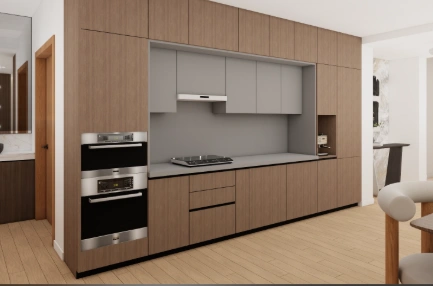
The cabinetry is crafted from wood, showcasing the natural grain and texture of walnut—a hallmark feature of the "Mid-Century Modern" kitchen style. Centered around minimalist wood-grain units, a low-saturation color palette, and clean, fluid lines, the entire cabinetry design masterfully interprets classic Mid-Century design principles within the kitchen space.

02 Handleless Cabinet Doors
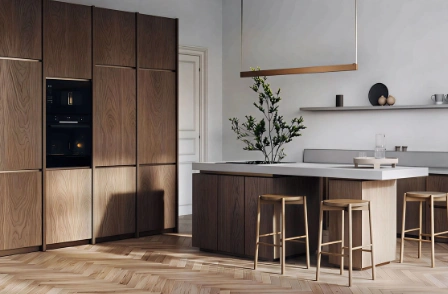
The kitchen features handleless cabinetry, a design choice that highlights an aesthetic sensibility blending minimalism with Mid-Century Modern style. With their clean, crisp lines, these handleless wooden cabinets harmonize beautifully with the warm, vintage-style wood furnishings, endowing the entire kitchen with a unique functionality that feels both distinctly modern and imbued with nostalgic charm.
03 Retro Metal Lamps
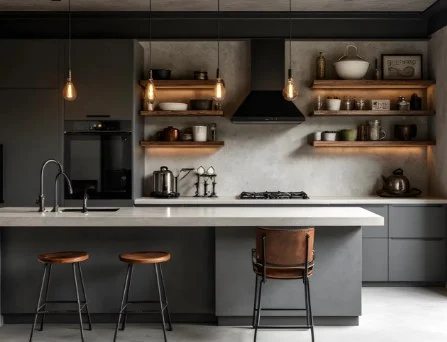
These light fixtures feature vintage-style Edison bulbs that perfectly complement the overall industrial aesthetic, infusing the kitchen space with a touch of warmth alongside its functionality. The brass-finished bulbs, paired with black metal cabling, also align with the classic characteristics of Mid-Century Modern design.
04 Marble Splashback
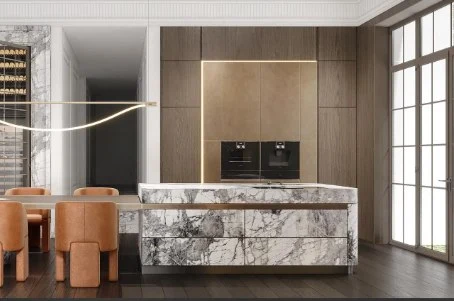
The visual focal point of the kitchen lies in the design of its island. This design features a marble countertop with a backsplash, the unique dark veining of which evokes the natural materials and rich patterns characteristic of Mid-century style. Complementing the warm, vintage wood tones, this element imbues the entire kitchen with a dual aesthetic—seamlessly blending vintage charm with modern functionality.
05 Classic Color Accents
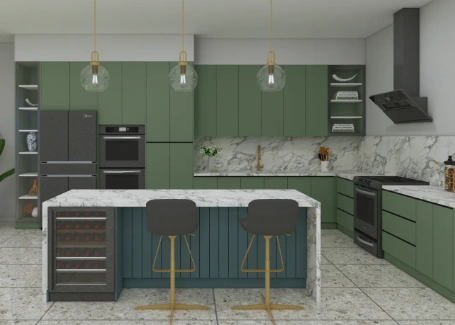
The entire kitchen is dominated by green as the main color, complemented by blue, black, and metallic hues, adhering to the classic color scheme commonly used in mid-century design. The combination of clean lines, classic color accents, and natural materials imparts a rich mid-century modern style to the kitchen.
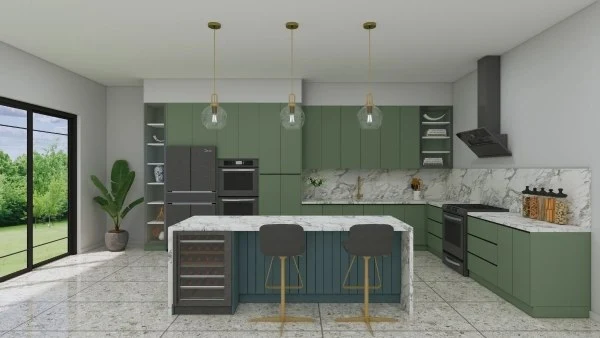
06 Terrazzo Floor Tiles
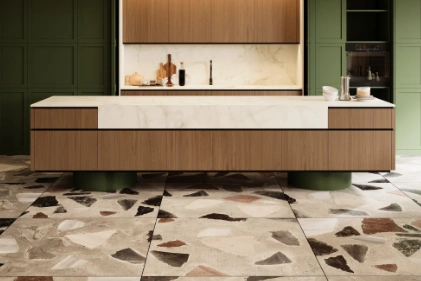
The terrazzo floor tiles, laid across the ground, feature an irregular pebble-like texture—a retro element that has emerged as a key trend within the recent resurgence of Mid-century style—lending an air of artistic flair and nostalgic charm to the kitchen.
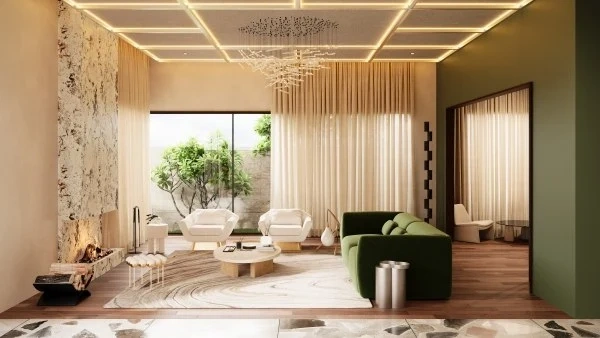
07 Small Square Tile Wall Design
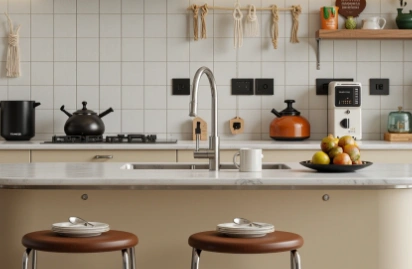
The entire kitchen wall is clad in small white square tiles, perfectly aligning with a Mid-century Modern minimalist aesthetic. Paired with wooden shelving, this design creates a kitchen atmosphere that feels simultaneously vintage and contemporary.
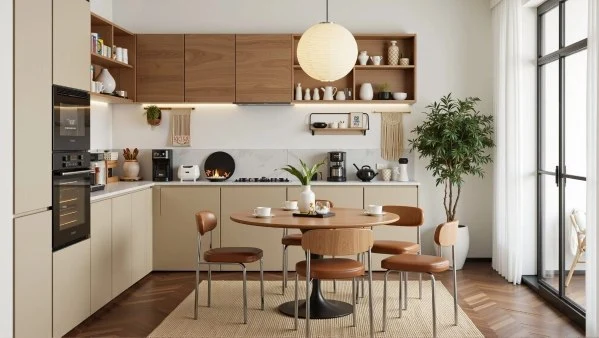
08 Round Pendant Light
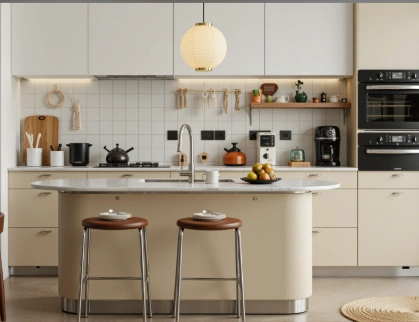
The spherical pendant lamp stands as a classic icon of Mid-Century Modernism—a design that continues to evolve and innovate to this day. Its aesthetic eschews elaborate ornamentation, opting instead to convey a sense of tranquility and refined beauty through its smooth, rounded form; this approach perfectly aligns with the warm, comfortable domestic atmosphere so highly prized in Mid-Century Modern design.
09 Human-Shaped Parquet Flooring
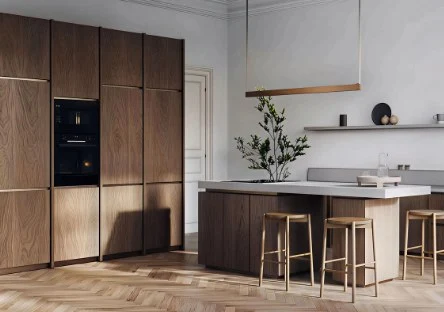
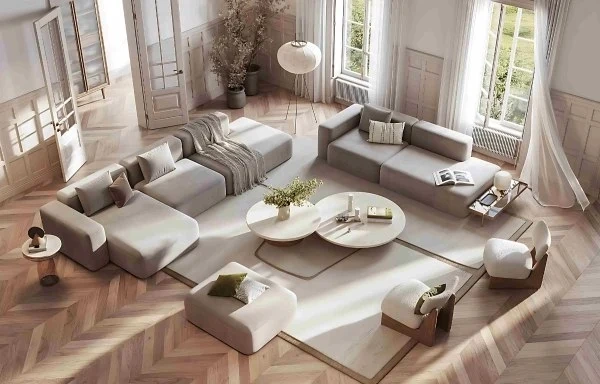
With its distinct geometric lines, the light-colored herringbone wood flooring further enriches the visual depth and functionality of the kitchen. The pairing of the herringbone flooring with handleless wooden cabinetry imbues the space with a warm, serene atmosphere, while exuding a strong aesthetic of Mid-Century Modern design.
10 Medieval Art Murals
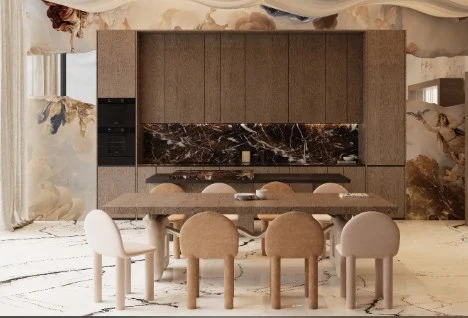
In the design of this Mid-century Modern open-plan kitchen, a monumental artistic mural evokes a unique retro atmosphere, thereby significantly elevating the space's artistic sophistication and showcasing the homeowner's distinctive style.
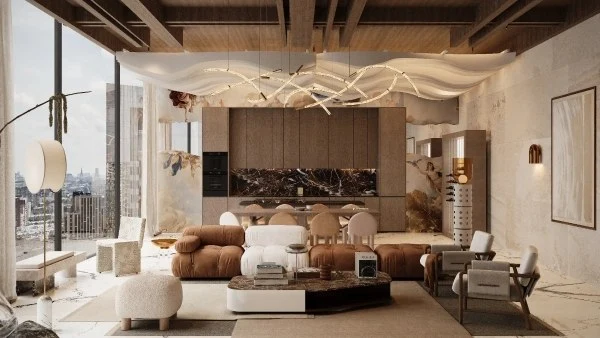
11. Embrace Vibrant Colors
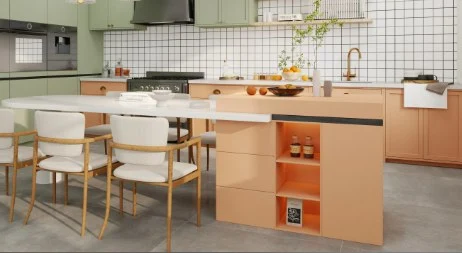
This kitchen design boldly employs contrasting colors to infuse the space with vitality and authenticity. Decorative walls in orange and green create a retro atmosphere that beautifully complements the minimalist white dining table. This arrangement demonstrates that lively hues can breathe life into even a small, Mid-century Modern-style kitchen.
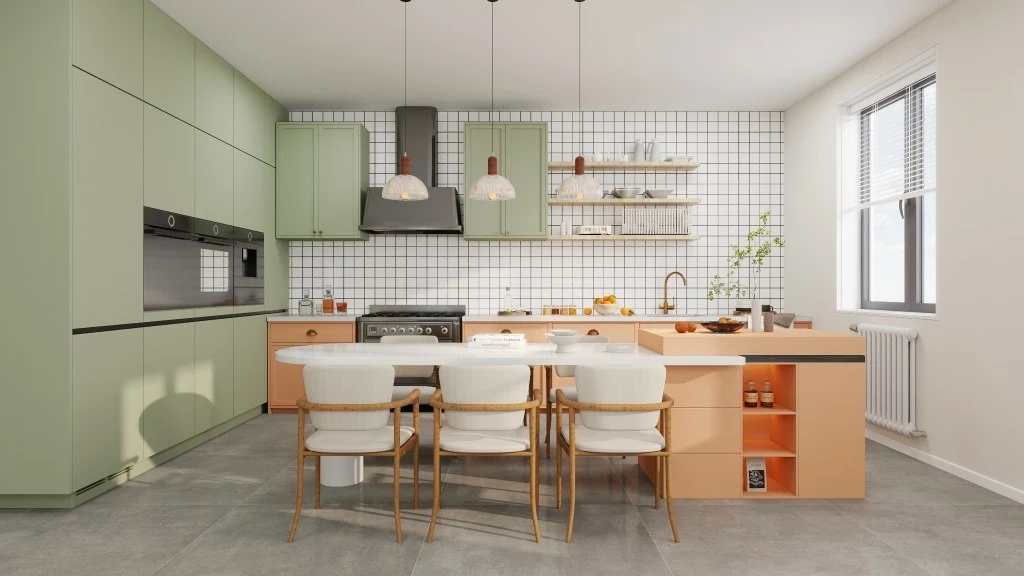
12.Let Nature Blend In
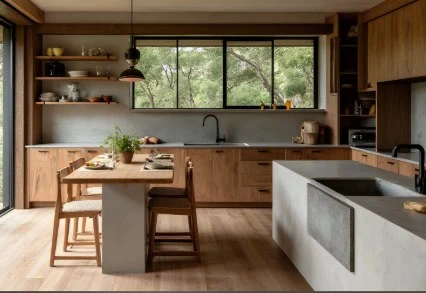
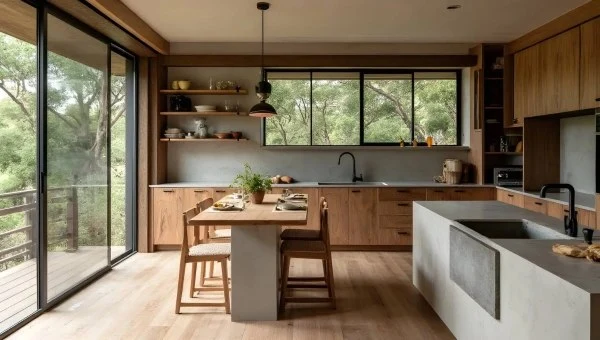
This bright Mid-century Modern kitchen features floor-to-ceiling windows and sleek wooden cabinetry. It expands the sense of space while bringing the outdoors in. A wooden dining table creates a unique vintage vibe, while indoor greenery and ceramic tableware add a touch of nature.
13.Using a Round Table to Create Atmosphere
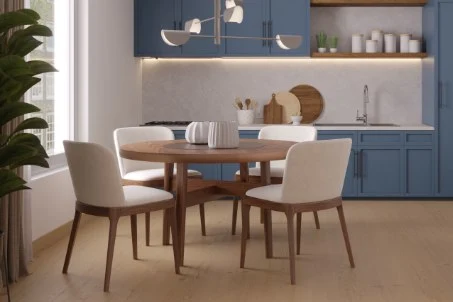
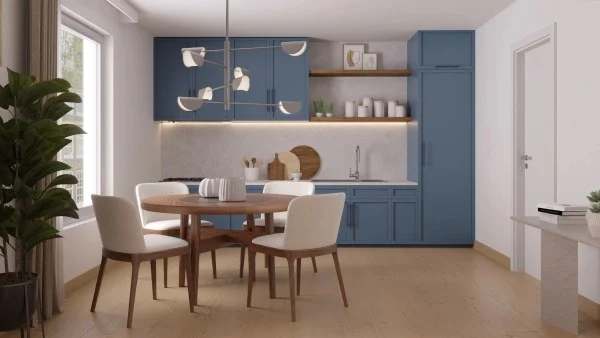
Centered in the kitchen stands a round wooden table with tapered legs; it harmonizes beautifully with the blue cabinetry behind it, preserving a vintage sensibility while infusing the space with a sense of intimacy—making it an ideal spot for casual dining, all while maintaining the over all Mid-century aesthetic.
14.Decorate with originals or reproductions.
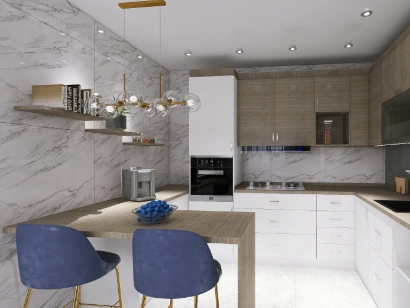
Original decorative pieces are a wonderful way to pay homage to 1950s and 60s design; however, if you are working with a limited budget, a kitchen like this demonstrates that even small details can make a big impact—consider, for instance, a vintage-style brass pendant light and a set of iconic Eames-style, sky-bluebar stools from a trusted furniture brand.
15.Custom Cabinets
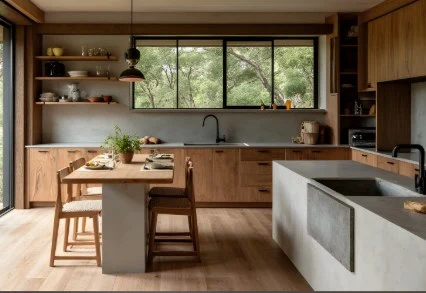
EClife designers renovated this California-based Mid-century Modern kitchen, preserving its original character while infusing it with a sense of warmth. The custom oak cabinetry features clean lines, adding a touch of warmth to the white countertops.
CONCLUSION
The allure of a "Mid-Century Modern" kitchen lies in its ability to seamlessly blend the warm, tactile richness of vintage aesthetics with the practical functionality of modern living. Whether through the use of natural wood, soft color palettes, clean geometric lines, or elegant lighting accents, these spaces invariably exude an air of understated sophistication.
Whether you prefer a minimalist, natural aesthetic, a warm and elegant ambiance, or a design infused with a touch of vintage nostalgia, the Mid-Century Modern style effortlessly caters to your diverse tastes.
You are also invited to visit the EClife official website to select the perfect style to adorn your kitchen.
Common Questions About Mid-Century Modern Kitchen Renovations
1. How can a kitchen be made more in line with Mid-Century Modern style?
The easiest approach is through three key directions:
Update cabinetry: Opt for horizontal wood veneer, handle-less designs, or cabinet bodies in retro green or cream.
Replace lighting: Classic choices include spherical pendant lights, matte metal fixtures, and combinations of glass and metal.
Enhance linear elements: Geometric shapes, horizontal lines, and symmetrical layouts all strengthen the Mid-Century feel.
2. What are the core elements of a Mid-Century Modern kitchen?
These primarily include: natural woods (walnut, oak), clean and straight lines, neutral and retro color schemes (olive green, mustard yellow brown),luminaires with rounded or geometric shapes, minimalist handle-less cabinets, and metallic accents (brass, black metal). When combined, these elements naturally evoke the Mid-Century aesthetic.
3.What type of wood is best suited for a Mid-Century Modern style kitchen?
In mid-century modern kitchens, the types of wood used varied depending on the region and individual preference. These included darker woods such as teak and American black walnut, as well as lighter woods like oak and beech. Early mid-century modern homes often featured pine planks on exposed ceilings and beams—wood that frequently possessed a warm, pale orange hue.